
Aerial Structures Rehabilitation Project
History of Aerial Structures
An aerial structure is a raised feature that allows a railway line to avoid intersecting a road at the same level - both providing a safer route and avoiding disrupting traffic. The earliest aerial structure built to avoid level crossings over many city streets was the London and Greenwich Railway, built on a brick viaduct of 878 arches, built in the late 1830s. During the 1840s, other plans for elevated railways in London never came to pass.
From the late 1860s onward, aerial structures or elevated railways became popular in United States cities.
Photos
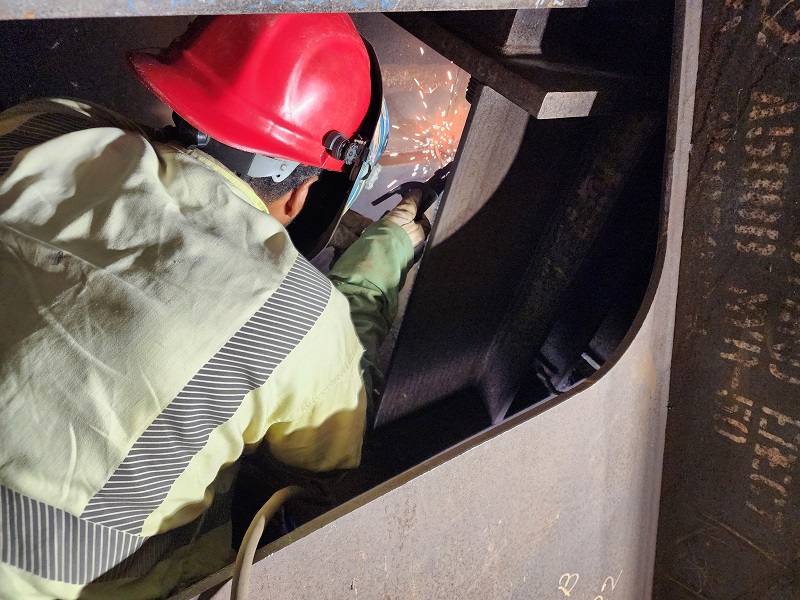

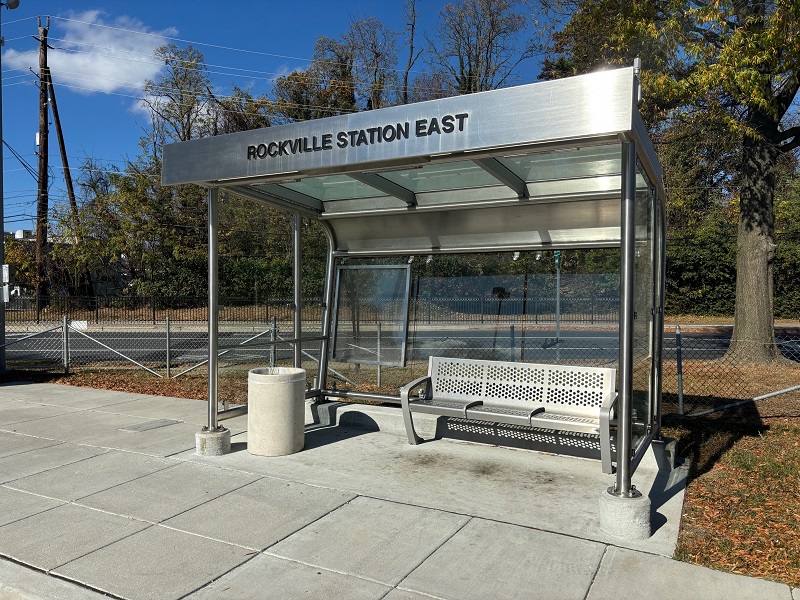
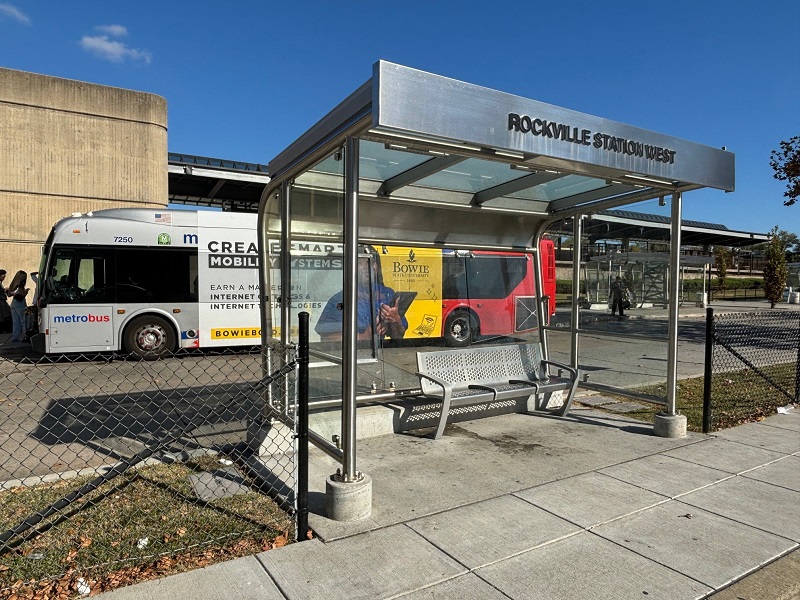
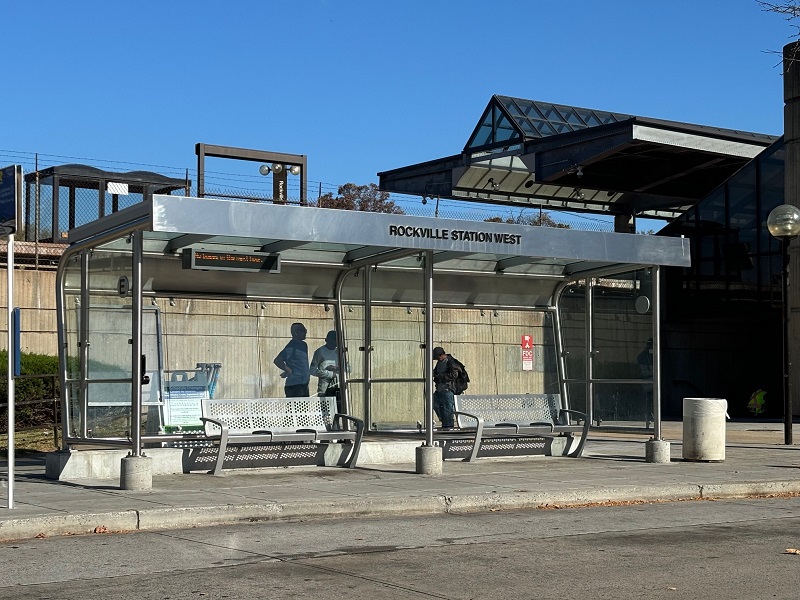
Aerials Structures and Metrorail
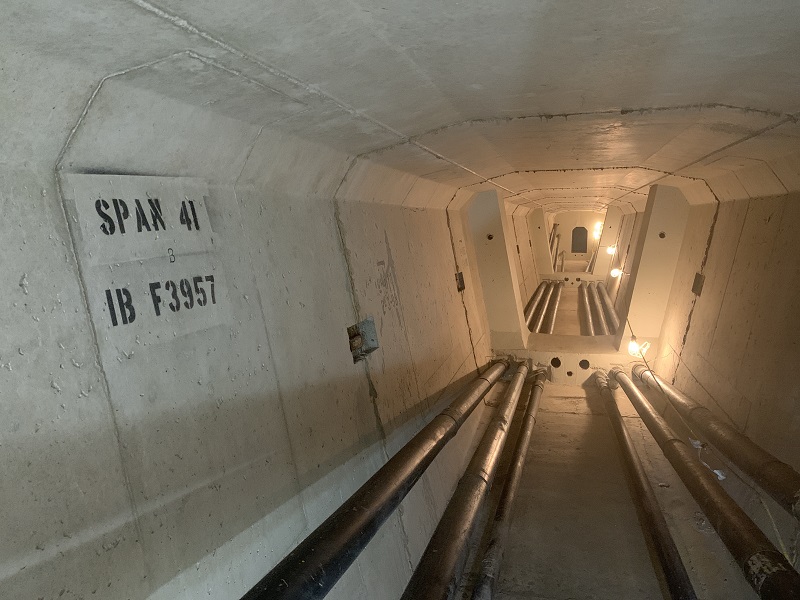
The Metro system includes nearly 20 miles of tracks atop large above-ground aerial structures. These structures allow trains to pass over traffic and various types of terrain. Now almost 45 years old, many structures are showing signs of normal aging due to exposure to the elements and supporting Metro trains, which can weigh up to 680,000 pounds and pass by every few minutes during the day.
The Aerial Structures Rehabilitation Project aims to reinforce the structural integrity of Metro's bridges and aerial structures to provide safe and reliable Metrorail service for years to come.
This project is part of Metro's 10-year, $15 billion Capital Improvement Program, which advances construction and rehabilitation projects that ensure a state of good repair for critical regional infrastructure.
Construction Strategy
|
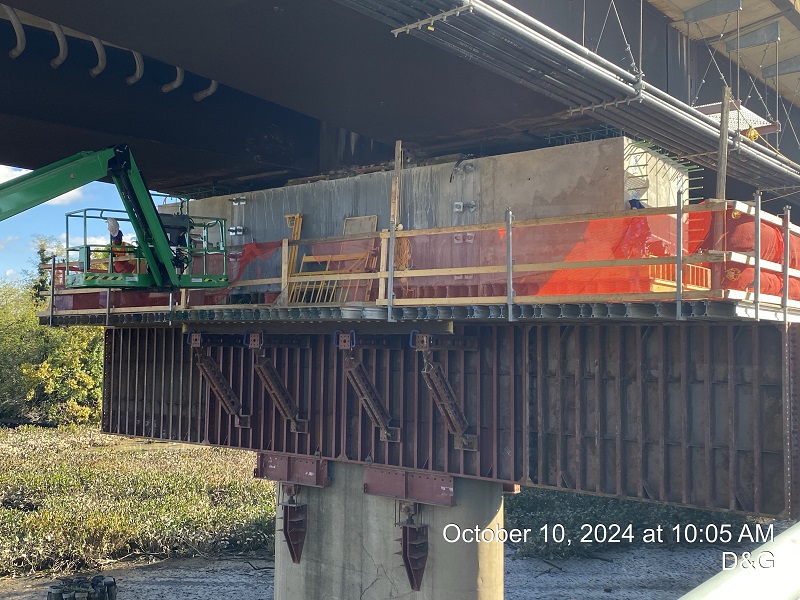
Metro and its contractors developed an innovative construction strategy to rehabilitate the structures under this project in the safest and quickest way possible, while minimizing service impacts to customers. This strategy includes adding new "hammer heads" to the existing aerial structure columns. This approach eliminates the need for extended station closures during construction.
|
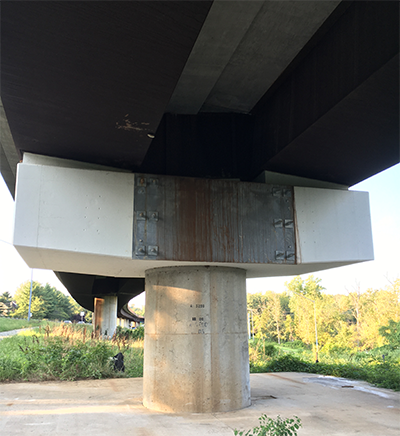
"Hammer heads" help extend the life of the aerial structures by strengthening the connections between the column and beams, improving the load capacity, and preventing additional deterioration due to train vibrations.
|
Timeline
The Aerial Structures Rehabilitation Project started construction in summer 2021 and is expected to be completed in summer 2025.
Overall, the project has rehabilitated 11 aerial structures, including:
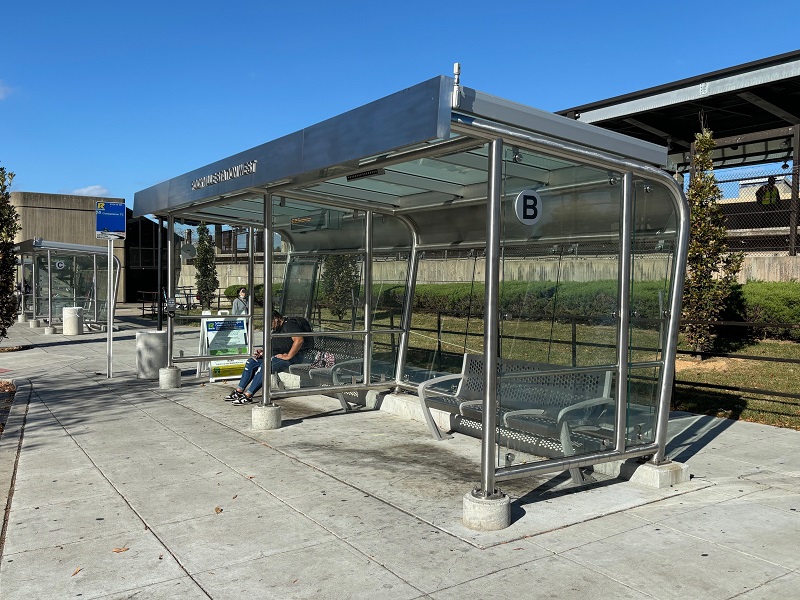
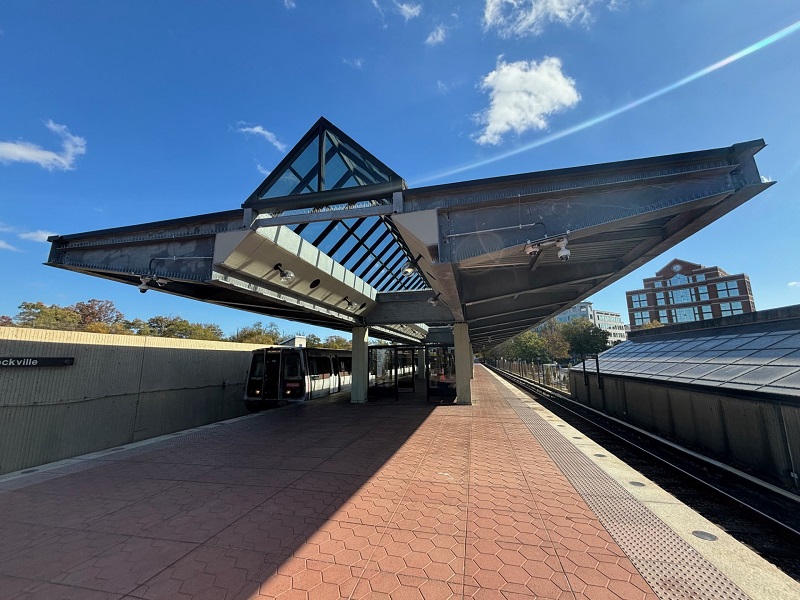
- Rockville station canopy & bus shelters replacement
- Completed fall 2022
- Two segmental bridges between West Hyattsville and Fort Totten stations
- Completed summer 2022
- Three segmental bridges between Franconia-Springfield and King St-Old Town stations
- Completed winter 2022
- Three segmental bridges between Naylor Rd and Branch Ave stations
- Completed summer 2024
- One aerial structure between Grosvenor-Strathmore and Medical Center stations
- Work began winter 2022 - completion projected summer 2025
- One aerial structure between Stadium-Armory and Minnesota Ave stations
- Work began winter 2022 - completion projected summer 2025
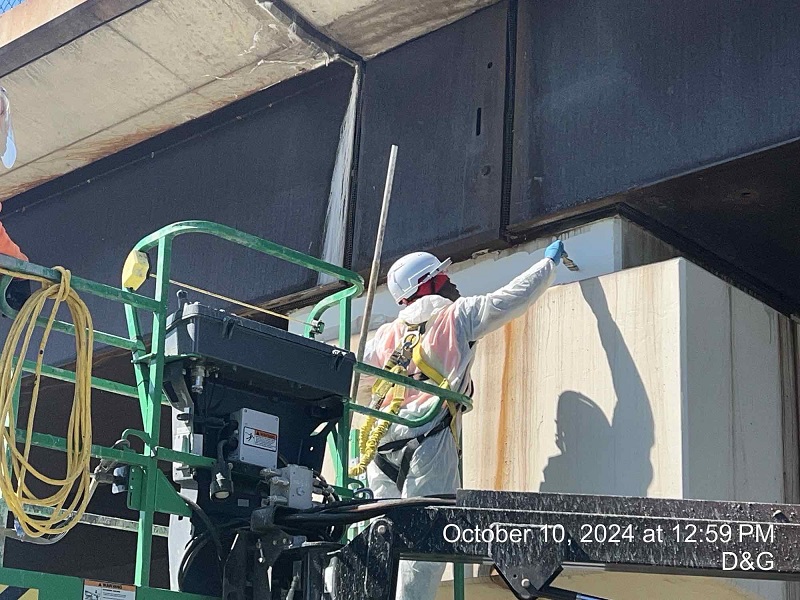
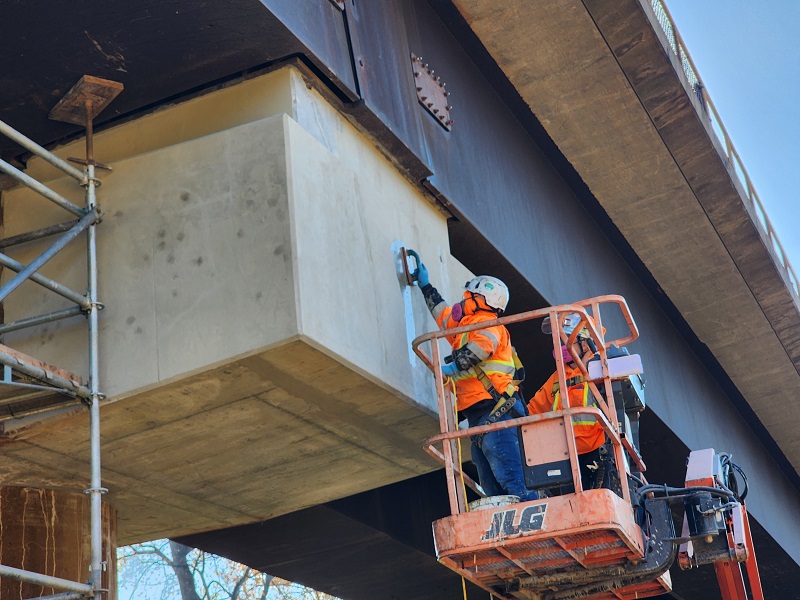
The Aerial Structures Rehabilitation Project will continue concrete & grout pad rehabilitation, bearings replacement, weatherproof coating application, and expansion joint replacement on the Grosvenor and the D&G Aerial structures through summer 2025.
Project Update - Remaining work impacting Route 355 at Grosvenor Lane and Tuckerman Lane Intersections.
Scaffolding and concrete maintenance of traffic barricades needed to complete bearings replacement, grout pads installation, and pier concrete repairs are scheduled to be removed by the end of calendar year 2024. Daily road closures between 9:00 am and 3:00 pm will continue into the summer of 2025 to complete pier concrete repairs and coating.
Community Impacts
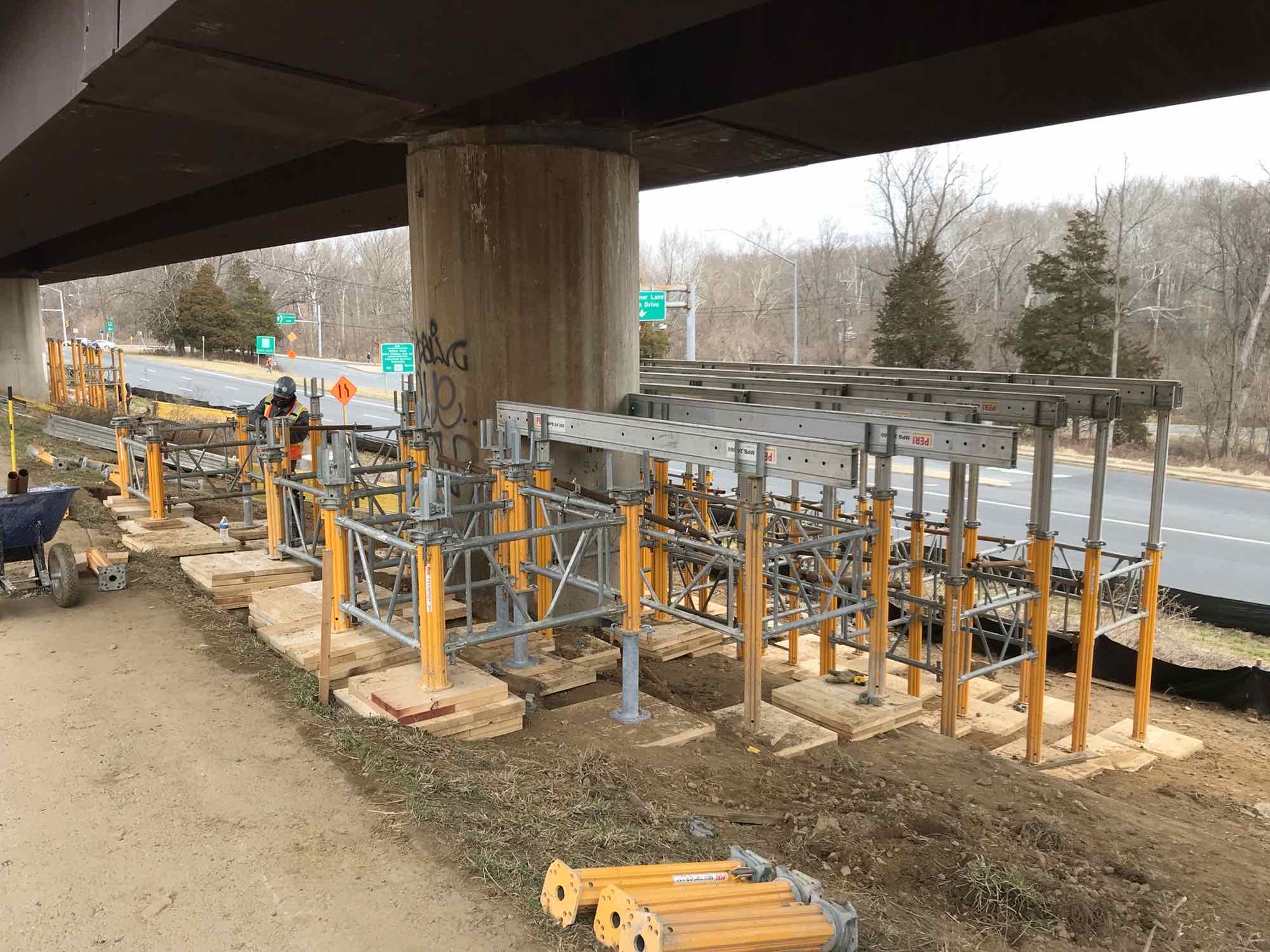 Maintenance work underway on the aerial structure between Grosvenor-Strathmore and Medical Center stations
Construction on the remaining aerial structures may require weekend shutdowns, overnight work, or lane closures. Customers and residents near all work sites may also notice noise from construction. Potential noise sources include concrete delivery trucks and pumps, generators, construction vehicles and other equipment. If you have additional questions or concerns, please call 202-637-7000.
For more information on service impacts, including travel alternatives for weekend shutdowns, visit check out our weekend advisory.